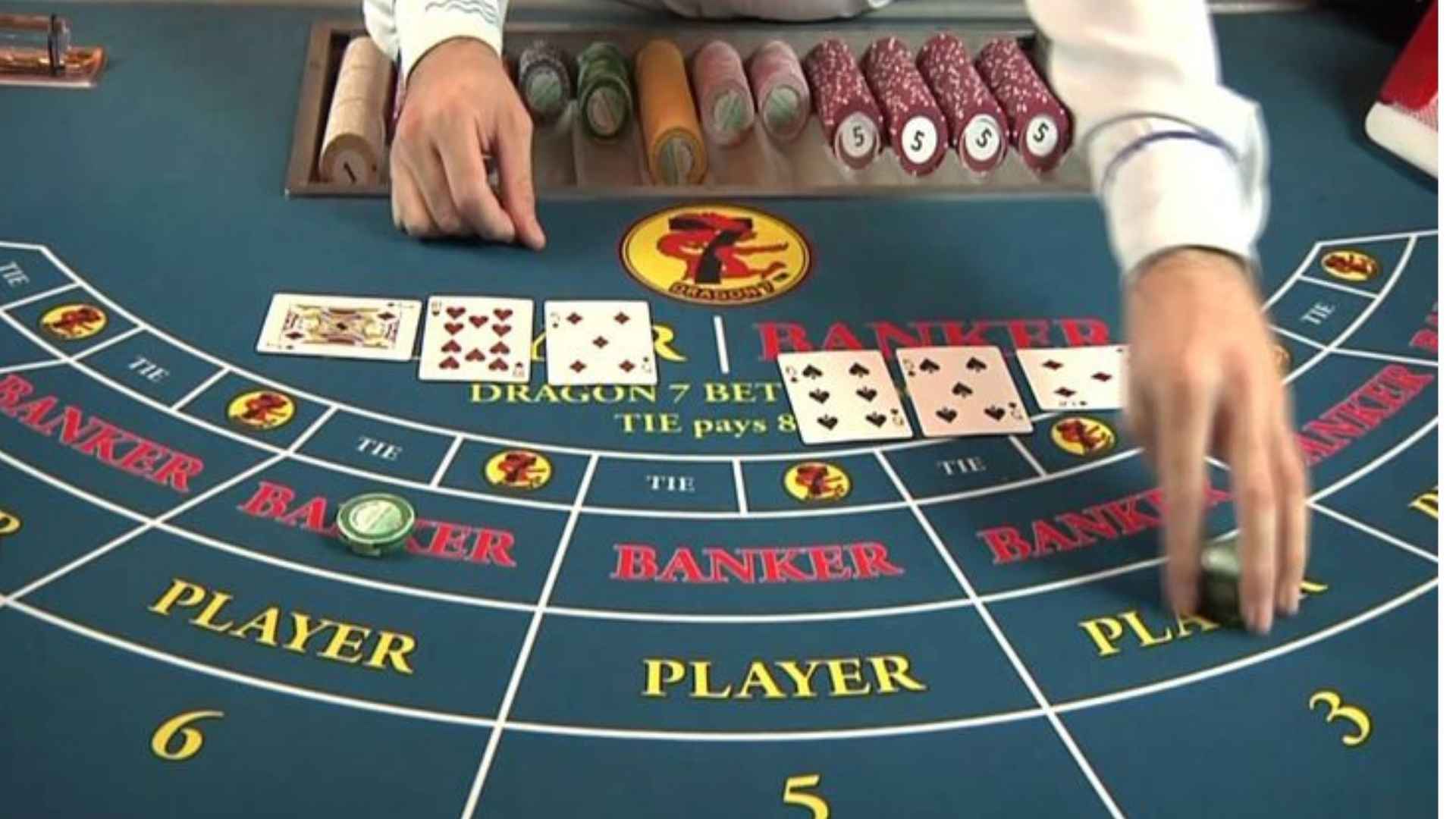
Achieving a reliable win rate in the modern card playing landscape requires more than mastering a single game style. True poker expertise lies in the ability to transfer foundational mechanics across multiple disciplines, from community card formats to intricate draw variations. Dedicated players who commit to a systematic learning process can unlock steady progress and expand their competitive edge dramatically.
The Core Fundamentals of Strategic Adaptability
Every poker variant relies on core concepts such as mathematical probability, table position, and psychological observation. While the specific rules and card distributions alter the game flow, these underlying strategic elements remain entirely constant. Recognizing how these pillars interact across different formats allows you to transition seamlessly without losing your analytical edge.
For instance, understanding hand ranges in a standard community game directly informs your decision-making structure in complex mixed formats. Developing a versatile mindset helps you break free from rigid, repetitive patterns that only work in isolated environments. This macro-level comprehension is what separates casual enthusiasts from long-term successful tactical competitors.
Developing a Framework for Multi-Game Learning
Rather than attempting to memorize independent rulesets simultaneously, successful players focus on identifying overlapping technical mechanics. Grouping similar games together simplifies the learning curve and allows you to apply shared insights effectively. For example, mastering the visible information dynamics in stud poker directly improves your observation skills in alternative open-card formats.
Practicing in diverse virtual arenas can also accelerate your overall growth by exposing you to unique operational dynamics. Engaging with structured digital platforms like M88 esports provides an excellent environment to test your cognitive adaptability against different opponent profiles. This multi-layered exposure challenges your mental agility and ensures your strategic development stays consistent and versatile.
Managing Analytical Variance and Emotional Control
Each individual poker style brings its own level of statistical variance, which directly impacts your short-term outcomes. Games with more hidden cards or extra drawing rounds naturally introduce higher volatility into your regular sessions. Cultivating emotional discipline allows you to endure these natural fluctuations without compromising your logical execution.
Maintaining a detailed tracking routine helps you objectively evaluate your long-term progress across every format you play. Reviewing critical hand histories ensures that you are making high-quality choices based on probability rather than emotional reactions. This disciplined approach minimizes costly mental mistakes and reinforces stable development over extended periods.
The Longevity Benefits of Broadening Your Skill Set
Limiting your play to a single format can eventually lead to mental fatigue and predictable strategic patterns. Exploring lesser-known variations revitalizes your passion for the game while sharpening your core cognitive functions. The unique challenges presented by unfamiliar rules force your brain to formulate fresh solutions constantly.
Ultimately, a well-rounded competitive profile ensures that you can always find profitable opportunities regardless of shifting trends. By dedicating time to consistent improvement across multiple formats, you secure a sustainable advantage in the evolving gaming ecosystem. Versatility remains the ultimate hallmark of a truly proficient and resilient modern card player.